It can be challenging for homeowners to determine when a beloved tree has reached the end of its life or poses a significant risk to their property. Making the decision to remove a tree is never easy, but recognizing the warning signs can protect your home and ensure the safety of your family. At R&J Tree Service, we understand these concerns and are here to help you navigate this important decision with expert guidance.
Signs of Irreversible Disease and Decay
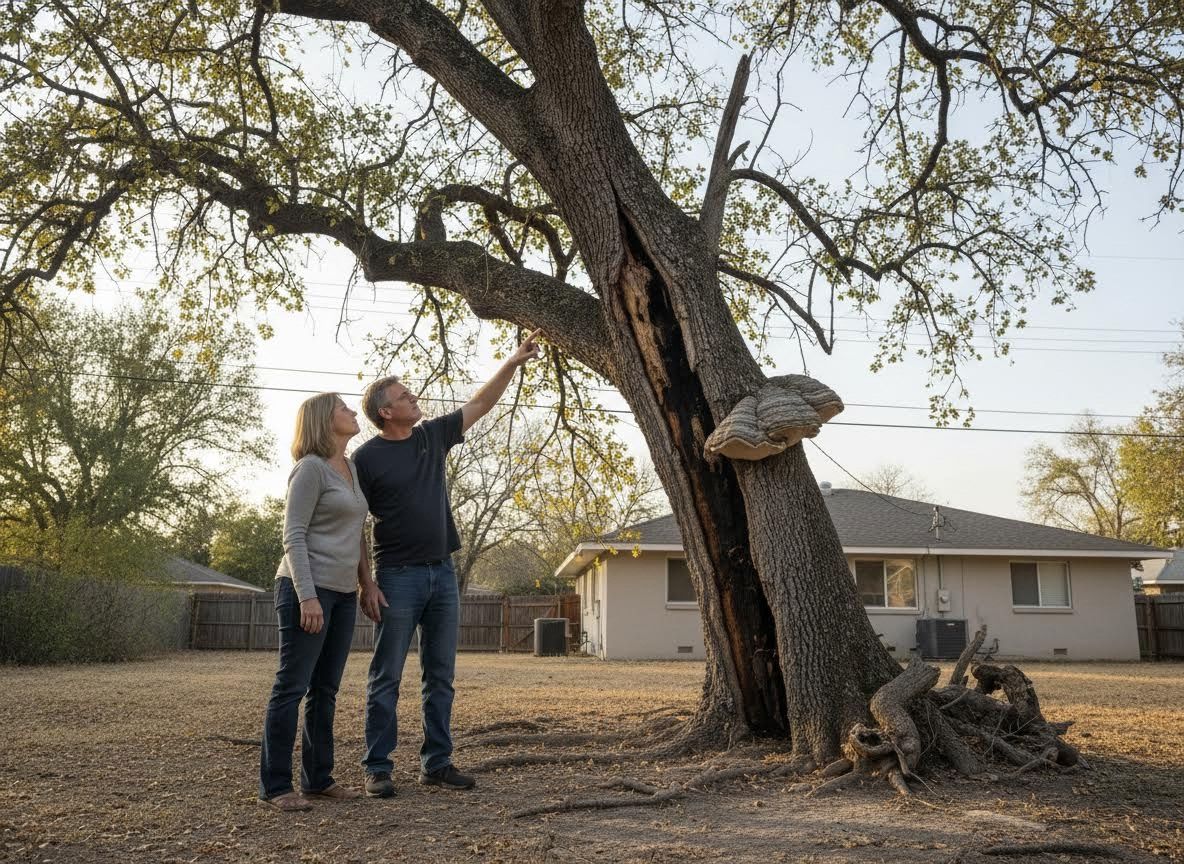
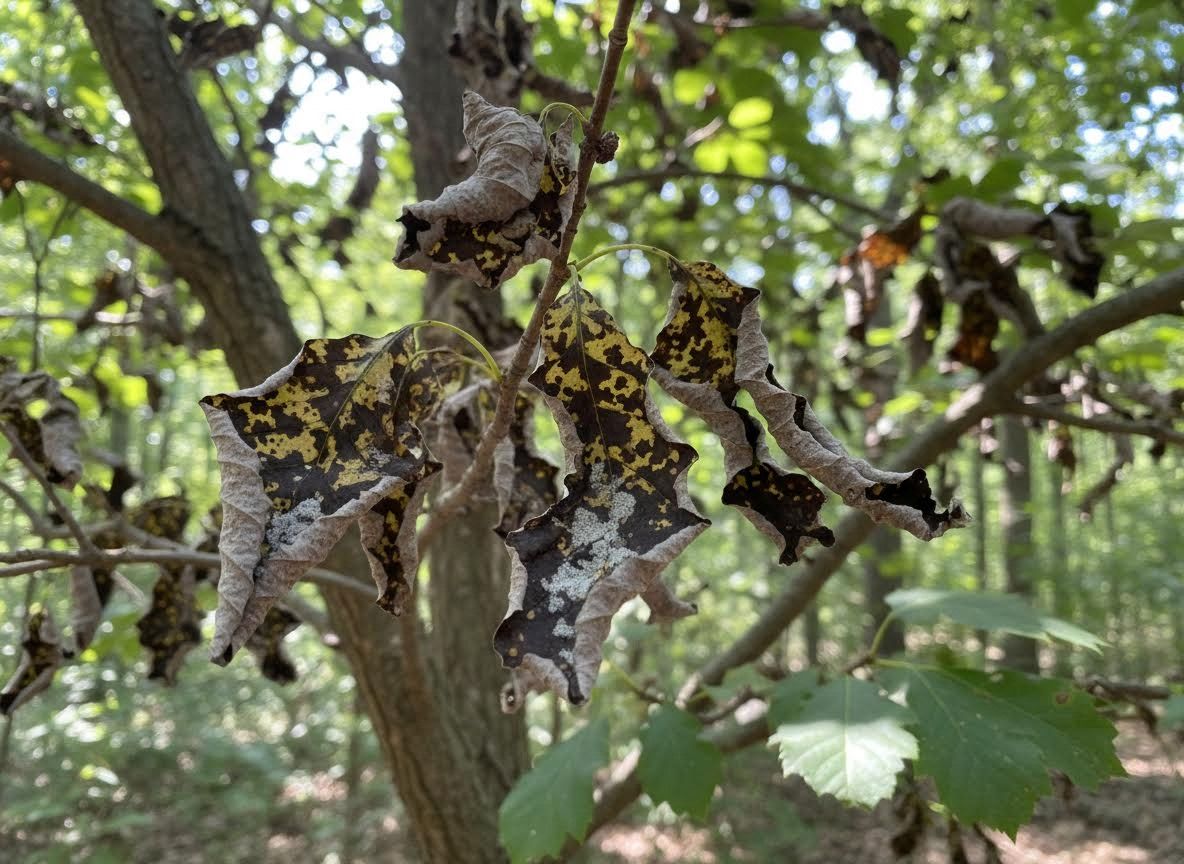
One of the most common reasons a tree needs to be removed is widespread disease or severe decay that has compromised its structural integrity. Look for visible signs such as large areas of missing bark, deep cracks or splits in the trunk, or the presence of significant fungal growths like mushrooms or conks on the trunk or at the base. These can indicate internal rot. Also, if the tree consistently fails to produce leaves or if its foliage is discolored and sparse, this may signal a decline in health that is beyond recovery. A tree that is largely dead, with brittle branches that break easily, also presents a clear hazard.
Structural Compromise and Safety Risks
A tree that is structurally unsound can pose a serious threat to people and property, especially during high winds or storms. Key indicators of structural compromise include a pronounced lean in a direction that wasn't present when the tree was young, large cavities in the trunk, or significant root damage. If you notice exposed roots that are rotting or if the tree is uprooting, it is a critical sign. Also, if a tree is too close to your home, power lines, or other structures and shows any signs of weakness, it could cause considerable damage if it falls. In such cases, a professional tree service assessment is crucial.
Pest Infestations and Environmental Stress
Certain pest infestations can be so severe that they lead to the irreversible decline of a tree. While some pests can be managed, others, like borers or termites, can hollow out a tree from the inside, making it a hidden danger. Watch for signs like sawdust near the base, small holes in the bark, or tunnels under the bark. Trees suffering from severe environmental stress, such as prolonged drought or extreme soil conditions common in the High Desert and Victor Valley regions, might also exhibit symptoms like stunted growth or widespread dieback that ultimately prove fatal.
Extensive Storm Damage
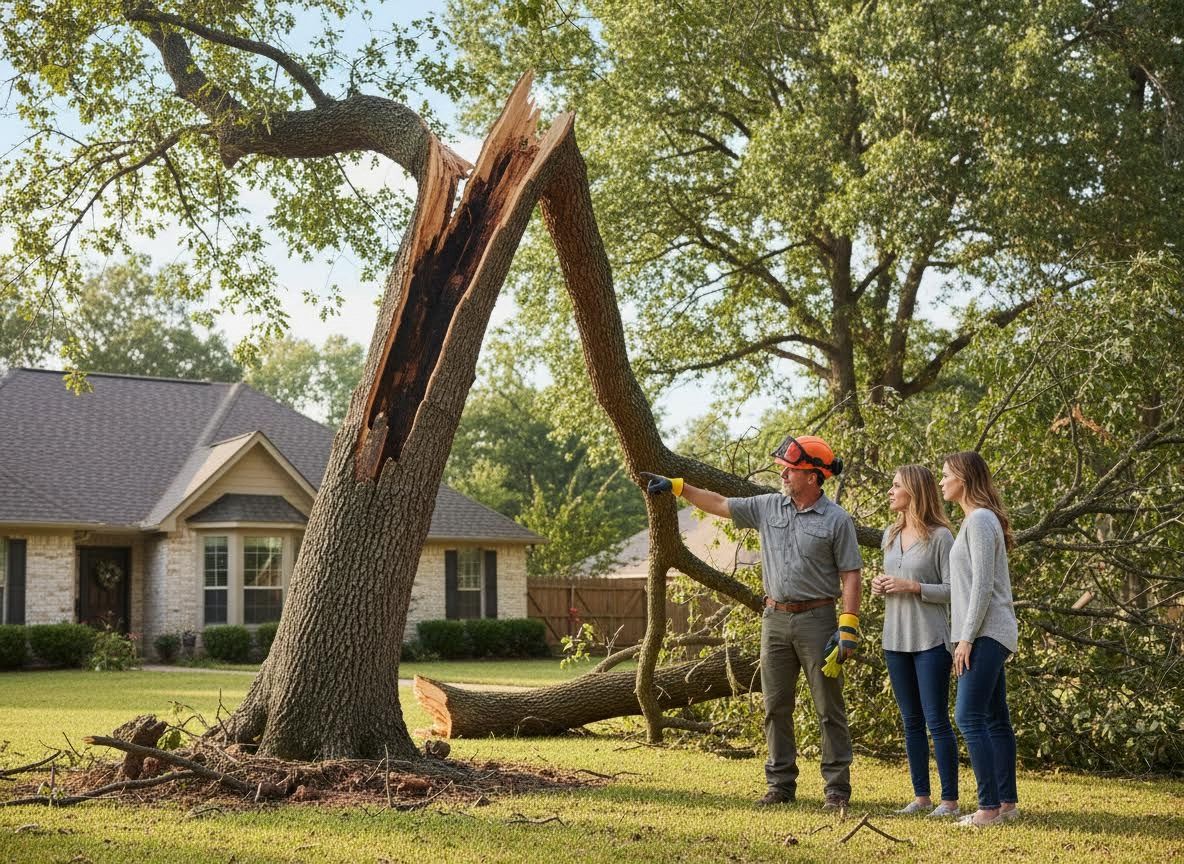
Severe weather events can inflict irreparable damage on trees. After a major storm, assess your trees for significant broken branches, large cracks in the trunk, or if the tree has been partially uprooted or split. While some storm-damaged trees can be salvaged with expert tree trimming service, others may be too compromised to safely remain on your property. If a large portion of the tree's canopy or trunk is destroyed, or if it's leaning precariously after heavy winds, it might be safer to consider tree removal service to prevent future hazards.
Deciding to remove a tree is a significant decision, often driven by safety concerns, the tree's health, or its potential impact on your property. For comprehensive tree care services, including expert tree removal service and other essential tasks like tree trimming service and even weed abatement, consulting with seasoned professionals, such as our team at R&J Tree Service, can provide the clarity and confidence you need. Reach out to a trusted arborist to schedule an assessment and discuss the best course of action for the well-being of your landscape.