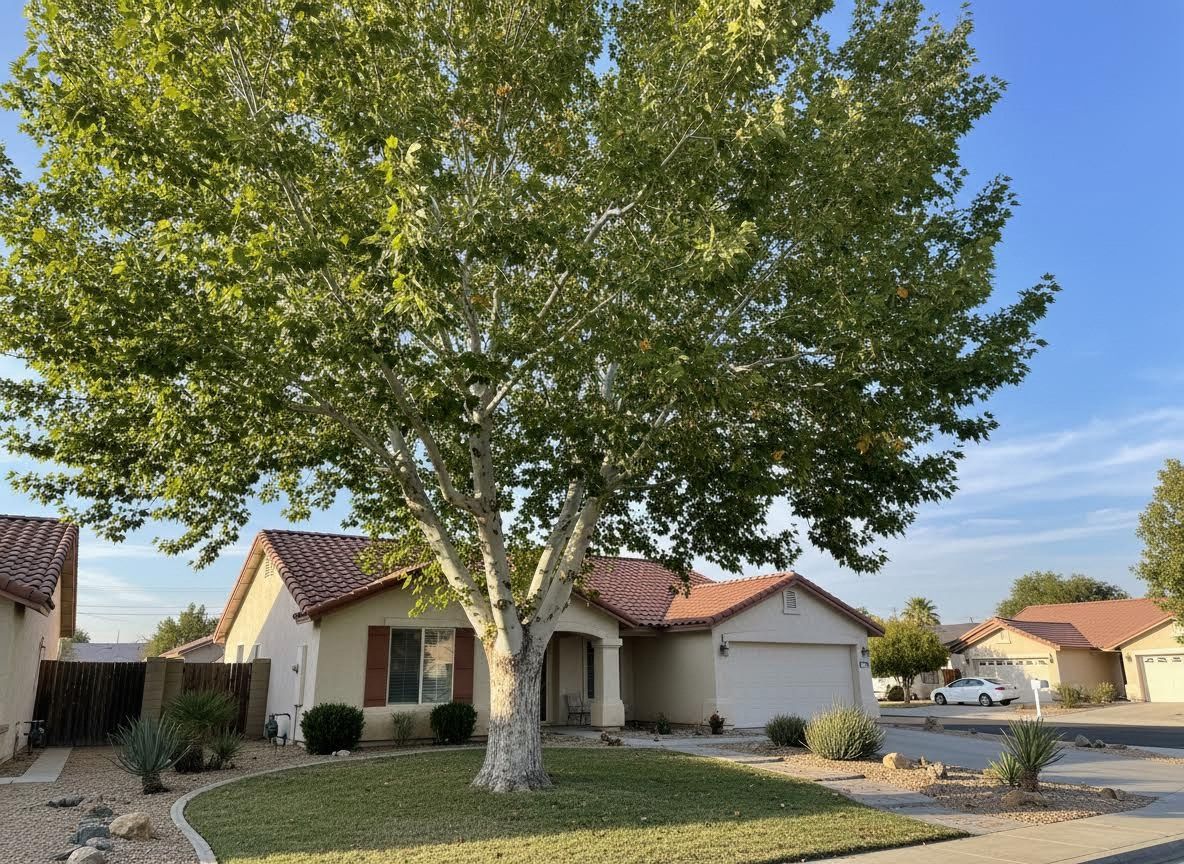
The High Desert summer presents a unique challenge for maintaining lush and healthy landscapes, especially when it comes to tree care. The intense heat, low humidity, and often arid soil conditions mean that standard watering practices simply won't suffice for your trees. Understanding how much and how often to water is crucial for their survival and thriving, and it's a question many homeowners in Hesperia, California, frequently ask R&J Tree Service.
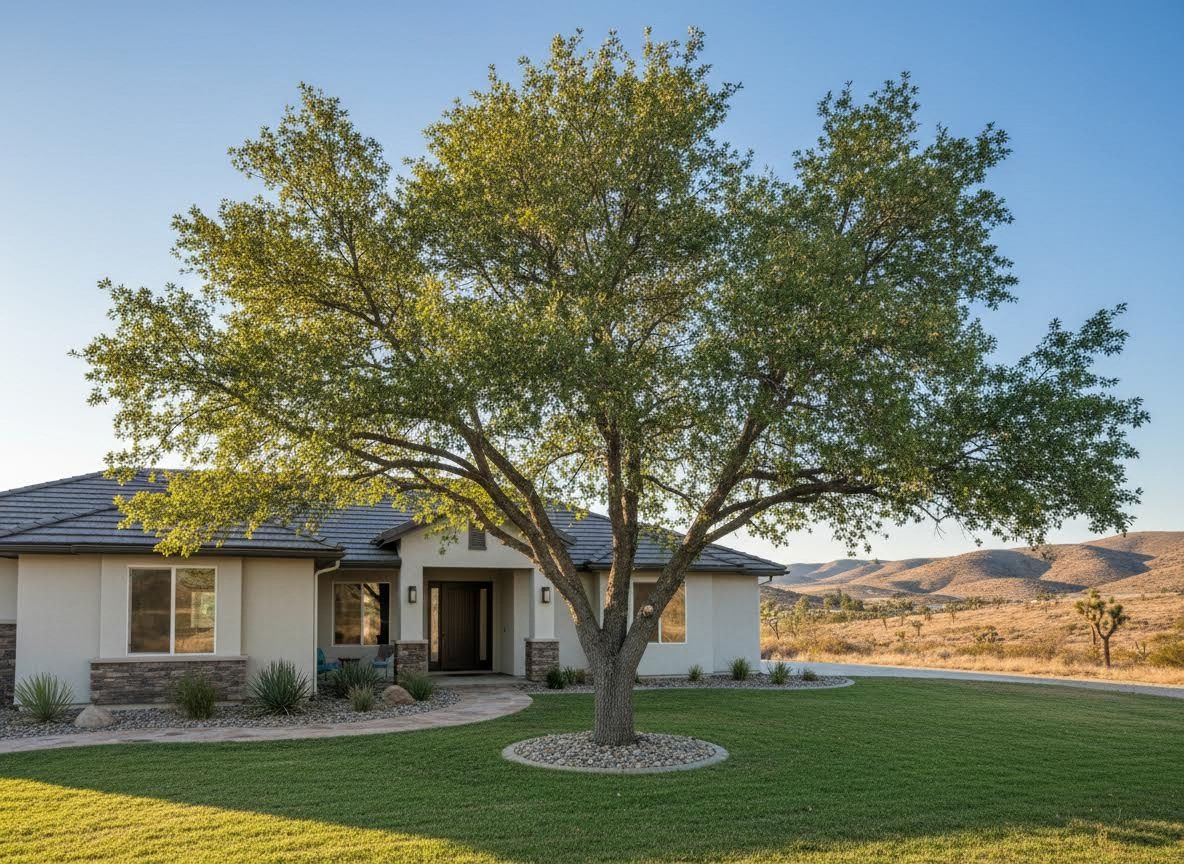
Understanding Your Trees' Thirst in the Desert
Unlike regions with more rainfall, the High Desert climate rapidly depletes soil moisture and puts significant stress on trees. High temperatures lead to increased evaporation from both the soil and the trees themselves (transpiration), making consistent water replenishment vital. The type of soil in the Victor Valley, which can range from sandy to more compact, also dictates how quickly water drains or is retained, directly impacting your watering schedule. Proper watering ensures deep root growth, which is key to a tree's long-term health and stability in harsh conditions.
Key Factors Influencing Watering Frequency
Determining the ideal watering schedule for your trees isn't a one-size-fits-all answer; several factors play a significant role. The species of tree is paramount—native, drought-tolerant varieties will naturally require less water than non-native or high-water-demand trees. A tree's age is also critical; young, newly planted trees need more frequent, albeit shallower, watering to establish their root systems, while mature, established trees benefit from less frequent but much deeper watering. Also, soil composition directly affects how often water is needed; sandy soils drain quickly, necessitating more frequent watering, whereas clay soils retain moisture longer, requiring less frequent applications.
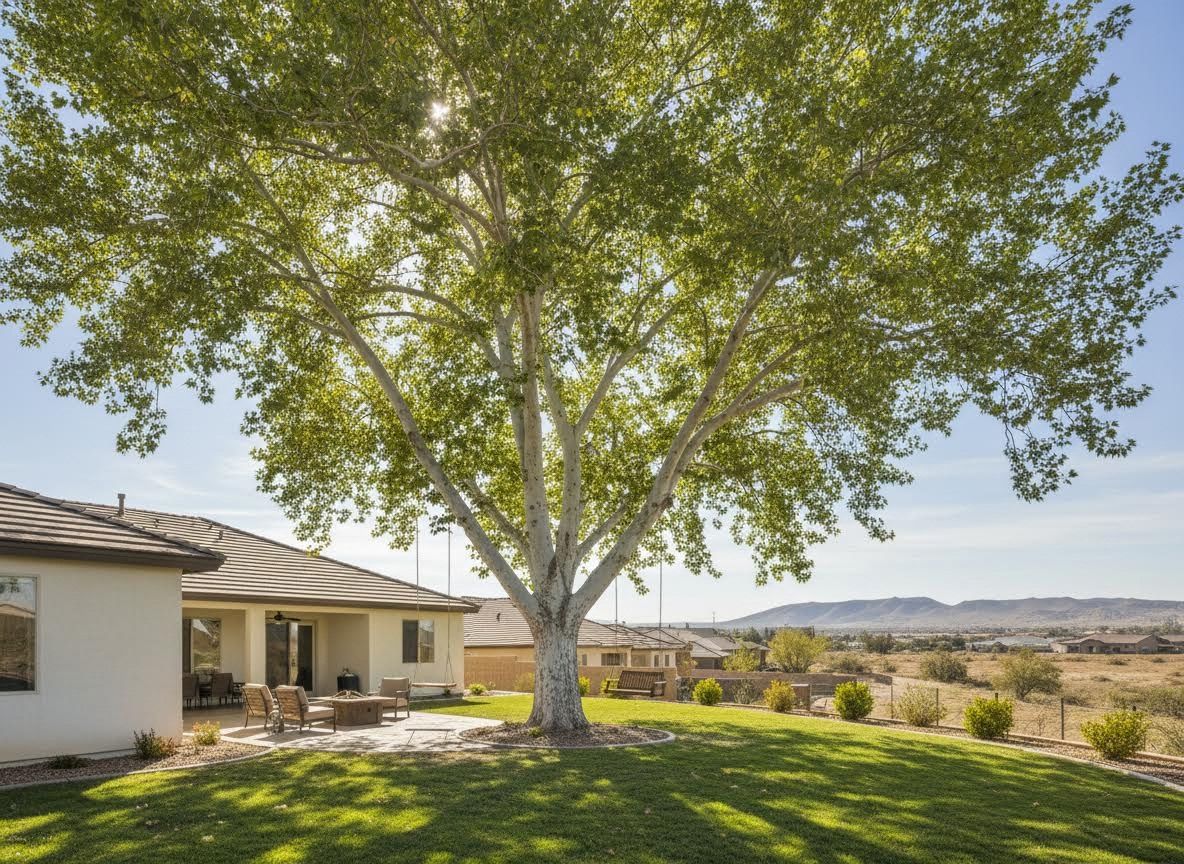
Effective Watering Techniques and Recognizing Stress Signs
To ensure your trees receive adequate hydration, employ deep and slow watering methods. Soaker hoses, drip irrigation systems, or a slow trickle from a garden hose for an extended period allow water to penetrate deeply into the root zone, encouraging roots to grow downwards rather than staying near the surface. The best time to water is in the early morning to minimize evaporation. Regularly check soil moisture by digging down a few inches near the tree's base; if it feels dry, it's time to water. Watch for signs of stress: wilting leaves and premature browning often indicate under-watering, while yellowing leaves and stunted growth can sometimes signal over-watering, which deprives roots of oxygen. If you notice any concerning symptoms, a professional assessment can help diagnose the issue.
Maintaining healthy trees in the High Desert summer demands a thoughtful approach to watering, taking into account local climate, soil type, and individual tree needs. Proper hydration, coupled with other essential tree care services like occasional pruning and necessary tree trimming, ensures your trees remain vibrant and beautiful, contributing to your property's curb appeal. For expert guidance and solutions tailored to your unique landscape, consider consulting with a knowledgeable professional tree service in the Hesperia area. R&J Tree Service is always ready to assist in keeping your trees thriving.