Identifying unhealthy trees is crucial for maintaining a beautiful and safe landscape. Recognizing the signs early can help prevent further damage, protect other plants, and avoid potential hazards. R&J Tree Service is dedicated to helping homeowners spot these red flags before they turn into costly emergencies. Our team of experts can provide a thorough assessment to determine if a tree can be saved through specialized care or if it poses a risk to your property.
Leaf Problems
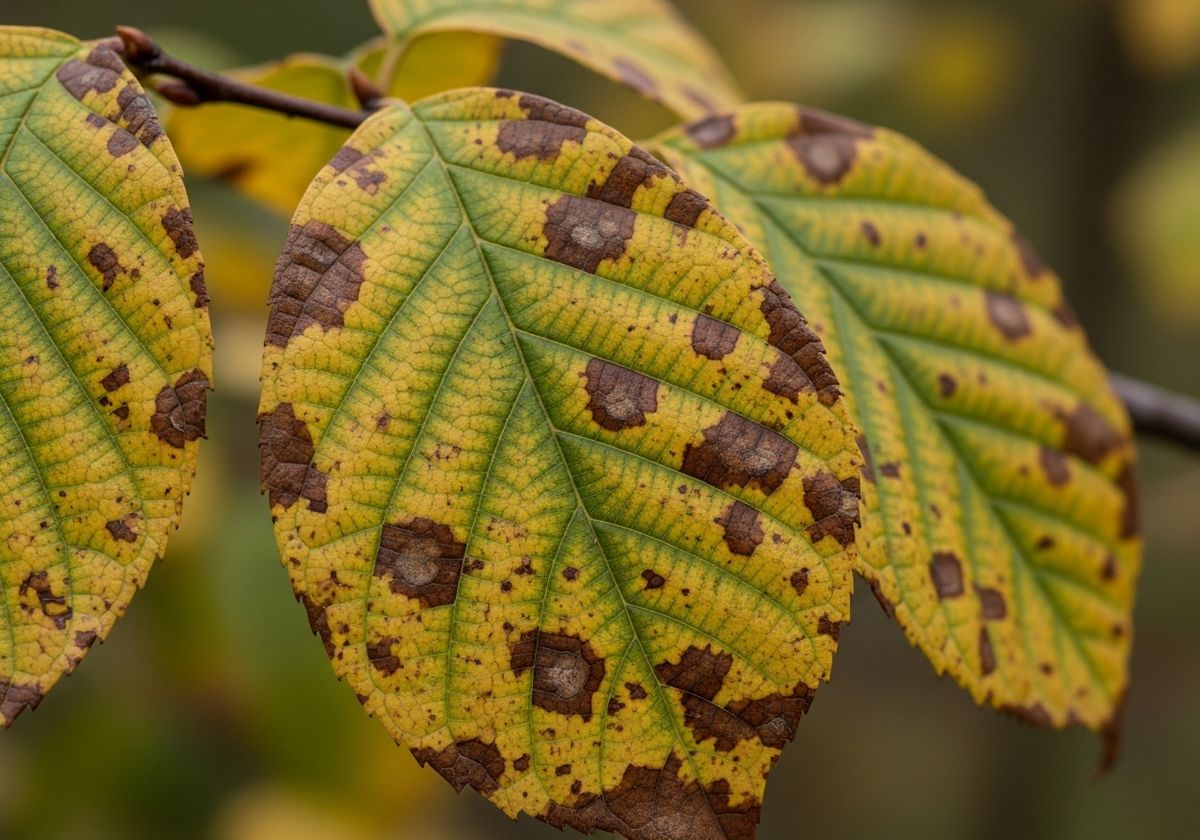
One of the most obvious signs of an unhealthy tree is its foliage, which acts as a primary indicator of the tree's internal well-being. Our team recommends keeping a close eye on leaf discoloration, such as yellowing, browning, or spotting, as these often point toward nutrient deficiencies, disease, or active pest infestations. Also, wilting or drooping leaves despite moist soil can signal serious root problems or vascular diseases, while abnormal leaf drop outside of the fall season often suggests environmental stress. If you notice stunted growth, such as smaller-than-usual leaves or a thinning canopy, it may indicate a lack of essential resources.
Branch Issues
Inspecting branches for signs of decay, damage, or infestation is a vital part of maintaining a safe landscape. We are here to help you identify these hidden dangers and decide if it is possible to save the tree or if tree removal is recommended. Dead or dying branches, characterized by a lack of foliage or brittle, easily broken twigs, are clear indicators of underlying issues like disease, pest activity, or physical trauma. Vertical cracks or splits in the bark can also leave a tree vulnerable to harmful pathogens and pests, often resulting from frost damage or mechanical injury.
Trunk Warning Signs
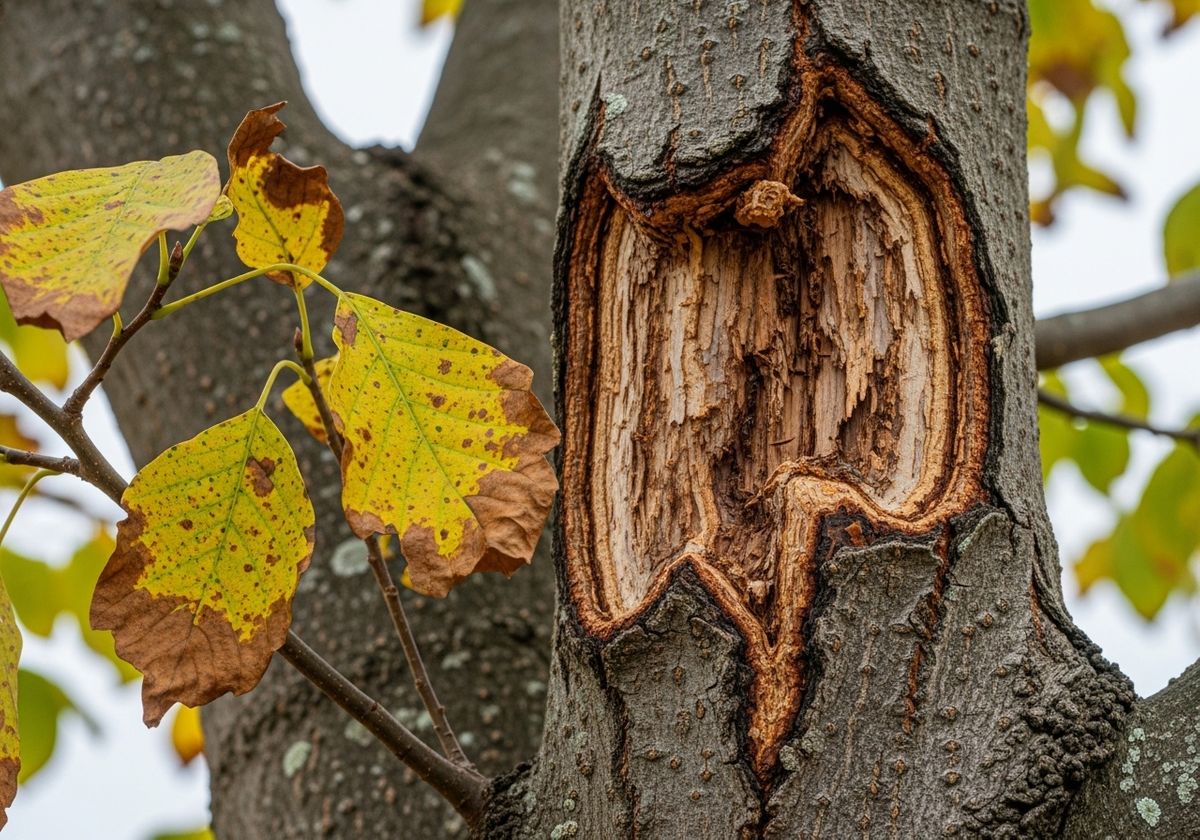
The trunk serves as the essential lifeline of a tree, meaning any signs of distress in this area should be treated with serious concern. Visible decay or cavities, such as soft, spongy wood or hollow holes, are clear indicators of internal rot that can compromise the tree's structural stability. A sudden or significant lean, especially one that appears to be increasing over time, often suggests critical root failure or trunk weakness. Homeowners should also monitor for significant bark damage, including large patches of missing bark, deep wounds, or telltale signs of insect activity.
Root Problems
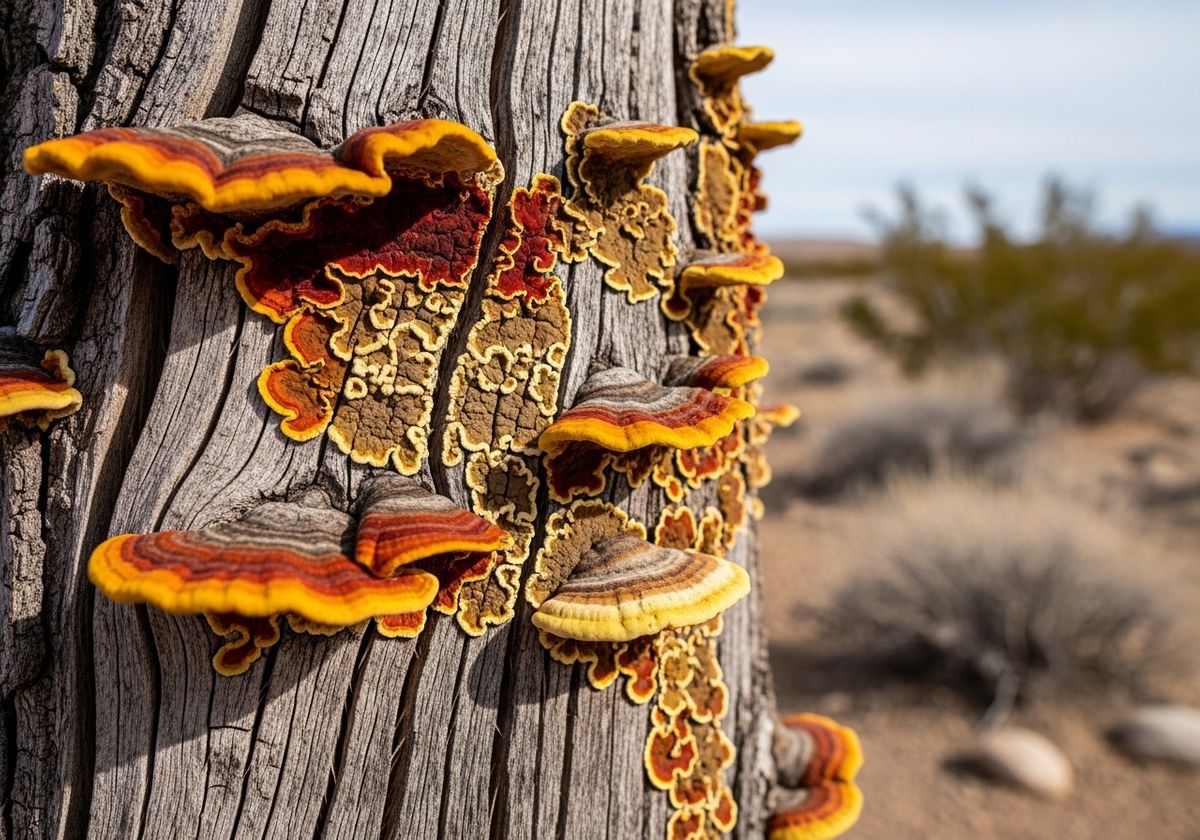
Although the roots are hidden underground, they often provide visible clues when a tree's health is in jeopardy. Fungal growth at the base, such as mushrooms or shelf-like brackets, is a primary indicator of root rot that could be compromising the tree's stability from the bottom up. It is also important to keep an eye out for heaving soil, where the ground is lifting or cracking around the base, as this suggests the root system may be shifting or failing. A general lack of new growth or stunted development throughout the canopy can also be a strong sign that the roots are no longer functioning properly.
If you notice any of these signs, it is essential to consult with a professional tree service. Early intervention can save your trees and maintain a beautiful, safe landscape. At R&J Tree Service, we are dedicated to providing expert care for your trees. Our professional tree services, including tree trimming service and tree stump removal, are designed to address any issues and keep your trees healthy and vibrant. If you are concerned about the health of your trees in the Hesperia or high desert area, don't hesitate to reach out for a consultation.