Removing a large tree branch requires careful planning and execution to ensure the safety of yourself, others, and the surrounding property. At R&J Tree Service, we know it is a task that often demands the expertise of a professional, but understanding the process can help you appreciate the skill and precision involved in high-quality tree care. Here is a look at the safest way to remove a large tree branch, according to the standards we follow.
Assessment and Planning
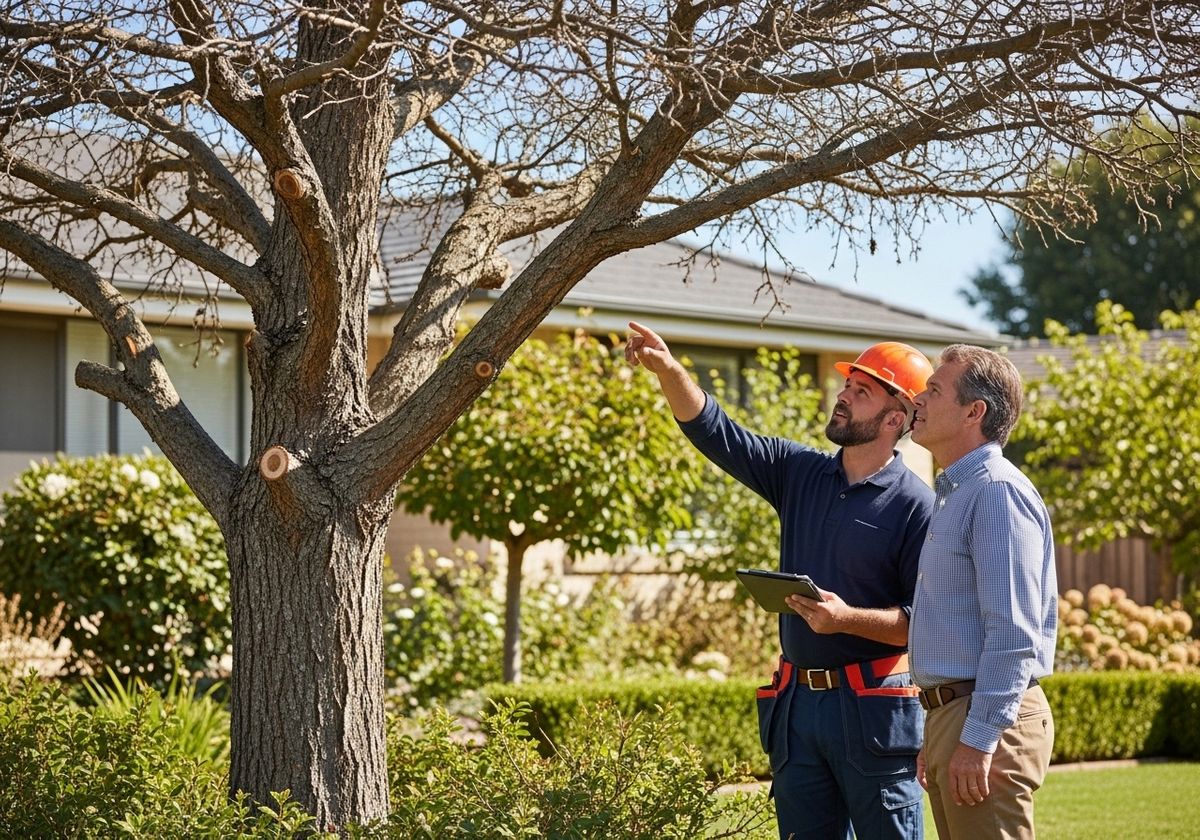
Before even thinking about cutting, a thorough assessment is crucial. Consider the size and weight of the branch, its angle, and any potential hazards like power lines or nearby structures. Develop a plan that includes the cutting sequence and where the branch will fall. Always inform anyone in the vicinity about the work and establish a safe zone.
Essential Equipment
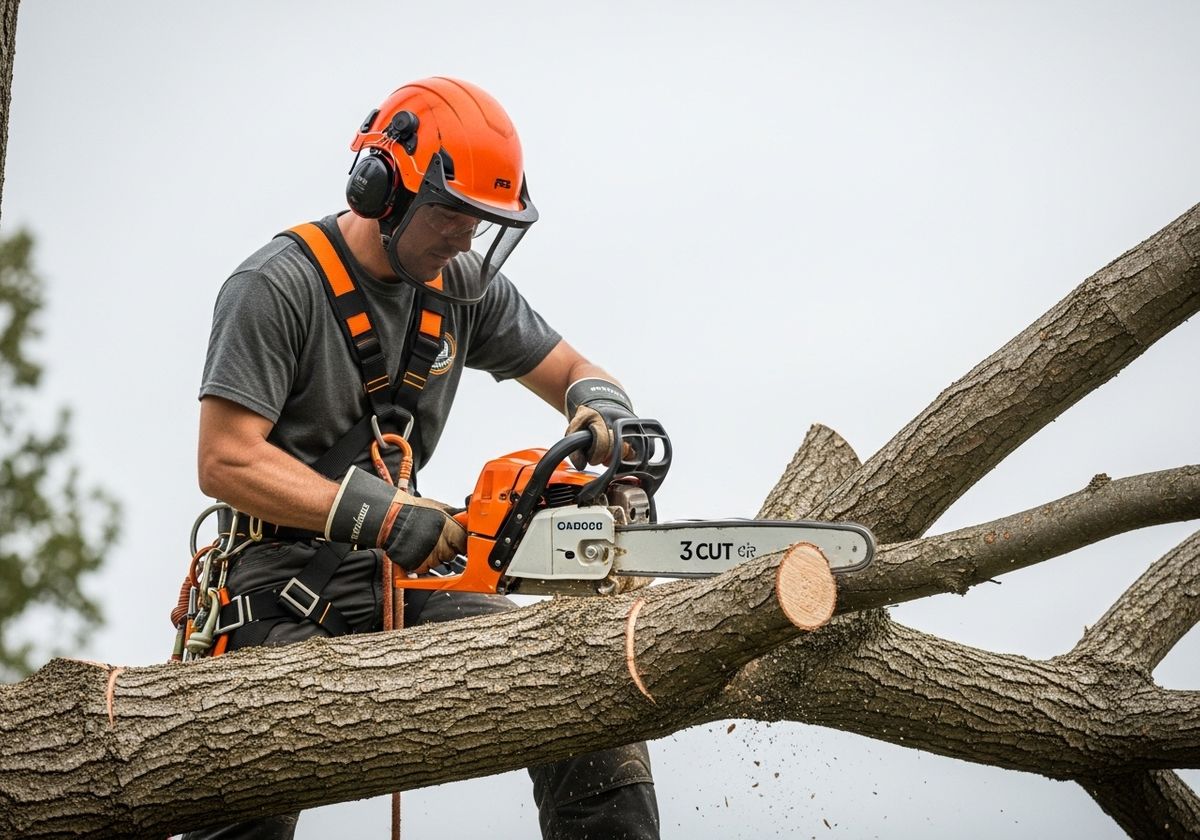
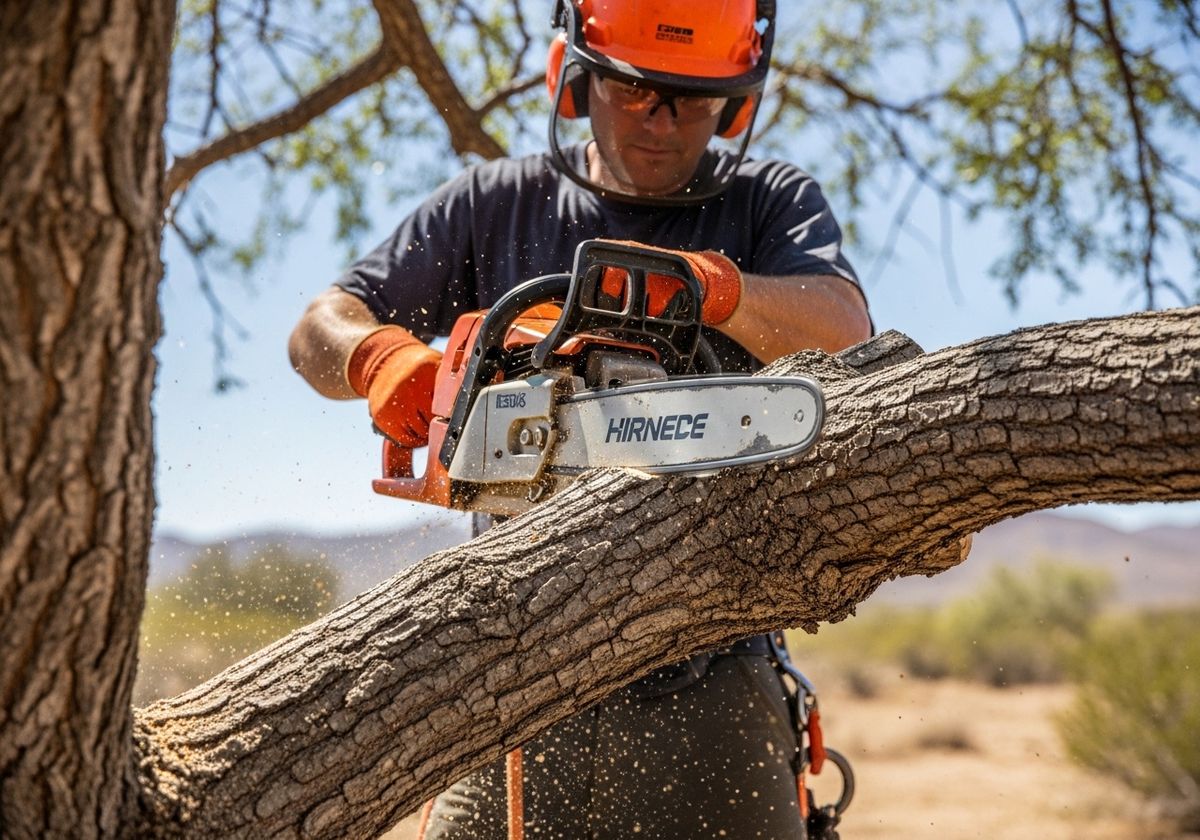
Having the right tools is paramount for safety and efficiency when performing tree work. Our team ensures every job is handled with professional-grade essential equipment, typically including chainsaws for cutting through thick branches and specialized climbing gear, such as harnesses, ropes, and helmets, to secure workers at height. For personal protection, eye and ear protection are absolute musts, along with heavy-duty gloves to improve grip and protect the hands. Additionally, a sturdy ladder or an aerial lift is necessary to reach higher branches safely and effectively.
The 3-Cut Method
This technique is widely used to prevent the bark from tearing down the tree trunk when the branch falls. Here's how it works:
Undercut: Make a cut on the underside of the branch, about a third of the way through, a foot or two away from the branch collar (where the branch connects to the trunk).
Overcut: A few inches further out from the undercut, make a cut from the top down until the branch falls. This prevents the branch from ripping bark as it breaks free.
Final Cut: Now, with the weight of the branch gone, you can make a final cut close to the branch collar. Be careful not to cut into the branch collar itself, as this can hinder the tree's natural healing process.
When to Call a Professional Tree Company
While this guide provides a general overview of tree care, certain high-risk situations require the expertise of a professional tree company like our team. It is critical to call in a specialized tree trimming or tree removal service when dealing with branches near power lines, handling large or heavy limbs that are difficult to manage, or assessing trees that are diseased or structurally unsound. Ultimately, if you encounter any situation where you feel uncomfortable or unsure of the safety risks involved, leaning on professional experience is the best way to protect your property and yourself.
Removing large tree branches is a task that should be approached with caution and respect. By following these safety guidelines and knowing when to call in the experts, you can protect yourself and your property. If you are in the Hesperia, California, or High Desert region and have a tree-related project, don't hesitate to reach out to R&J Tree Service for a consultation. Prioritizing customer satisfaction and safety, we are licensed, bonded, and insured. Contact us today to learn more about how we can help you maintain the beauty and health of your trees.